International Driving Permit (IDP)
Travel the World with Confidence
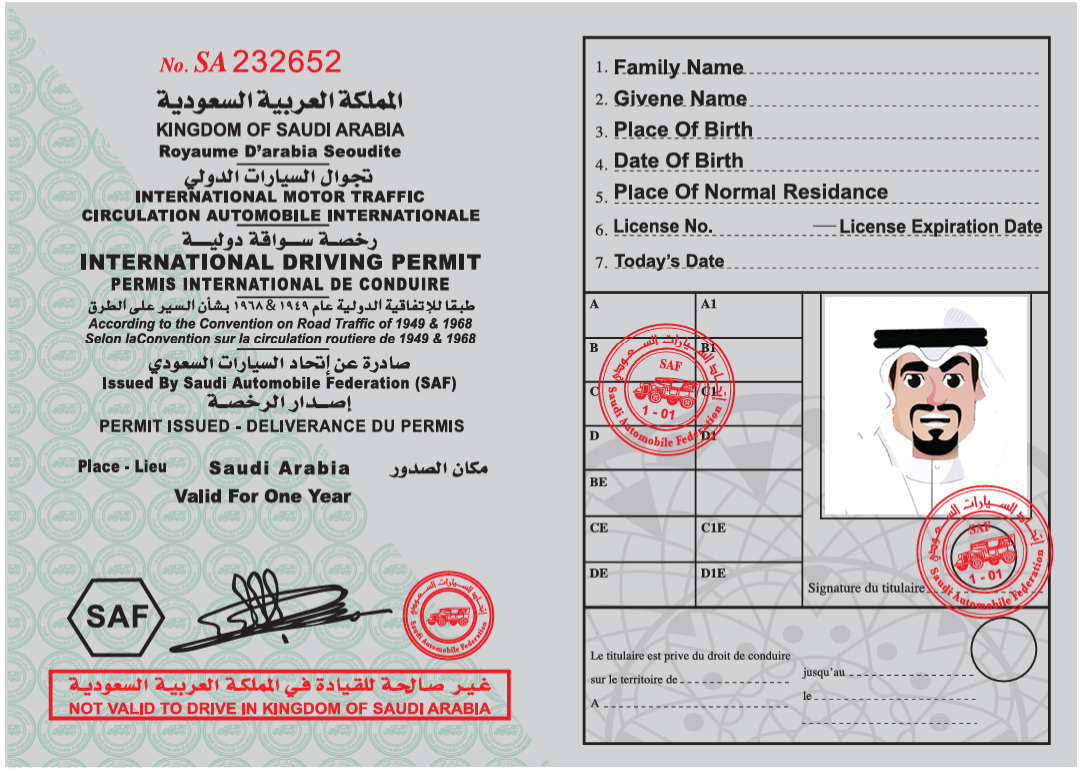
In an increasingly connected world, where international travel and mobility continue to grow, the International Driving Permit (IDP) has become an essential document that provides travelers with greater flexibility and convenience when driving abroad. Recognized in many countries worldwide, the IDP serves as an official translation and verification of the information contained in a national driving license, making it easier for local authorities and vehicle rental companies to confirm the holder’s eligibility to drive.
The importance of the International Driving Permit lies in its ability to facilitate the legal rental and operation of vehicles in numerous countries without the need to obtain a temporary local driving license. It also helps overcome challenges arising from language differences and varying licensing systems, as the permit presents the driver's information in multiple internationally recognized languages.
The IDP is particularly valuable for business travelers, tourists, professionals, and students whose activities require frequent international mobility. It provides greater independence and flexibility, allowing travelers to move efficiently and comfortably while reducing reliance on alternative transportation options in certain destinations.
Furthermore, carrying an International Driving Permit demonstrates compliance with internationally recognized driving regulations and standards. It facilitates interactions with government authorities, insurance providers, and vehicle rental companies whenever required. In some countries, the IDP may be mandatory or strongly recommended, even when a valid national driving license is accepted.
As global tourism and international travel continue to expand, the International Driving Permit is becoming increasingly important as a supporting travel document that enhances the overall travel experience and provides peace of mind while abroad. Travelers are therefore encouraged to verify the requirements of their destination country and obtain an IDP before departure to ensure a smooth and legally compliant driving experience.
Your Key to International Mobility
The International Driving Permit is much more than an additional document—it is a practical tool that facilitates global mobility, supports legal compliance, and contributes to a safer, more convenient, and more enjoyable travel experience for drivers around the world.
Geneva Convention on Road Traffic (1949)
The Geneva Convention on Road Traffic was adopted on 19 September 1949 under the auspices of the United Nations, with the objective of facilitating international road traffic among contracting states and enhancing road safety for all users.
Key Provisions:
⦁ Mutual recognition of national driving licenses among contracting states, subject to specific conditions.
⦁ Establishment of a standardized International Driving Permit (IDP) valid for one year.
⦁ Introduction of fundamental rules governing road traffic and vehicle identification in international travel.
⦁ Facilitation of cross-border movement of private vehicles between contracting states.
Vienna Convention on Road Traffic (1968)
The Vienna Convention on Road Traffic was adopted on 8 November 1968 and is considered the most comprehensive and widely adopted international agreement governing road traffic.
Main Objectives:
⦁ Harmonization of road traffic rules at the international level.
⦁ Enhancement of road safety standards.
⦁ Facilitation of international mobility for persons and vehicles.
Key Provisions:
⦁ Adoption of an updated model for the International Driving Permit (IDP).
⦁ Mutual recognition of driving licenses among contracting states.
⦁ Standardization of traffic regulations and road signs.
⦁ Establishment of uniform requirements for vehicles engaged in international transport.
⦁ Accommodation of technological developments in the transportation and road traffic sectors.
Importance of the Two Conventions
The Geneva Convention of 1949 and the Vienna Convention of 1968 constitute the international legal framework for the issuance of International Driving Permits (IDPs). Authorized national issuing authorities issue IDPs in accordance with the provisions of one of these conventions, enabling permit holders to drive in contracting states in compliance with internationally recognized regulations and standards.

 Head Office :
0537366641
Head Office :
0537366641




 Contact




 Home /